Why Fences Fail in Central Oregon (And How to Build One That Doesn't)
The Part of Your Fence You Can't See
When people compare fence bids, they compare the part they can see. Board style, post caps, gate hardware, height. Those things matter for how a fence looks. They have almost nothing to do with whether it is still standing straight in eight years.
We replace a lot of fences in Crook and Deschutes counties that are nowhere near the end of their useful life. The pickets are fine. The rails are fine. The posts have shifted, leaned, or snapped at ground level. That is the failure point almost every single time, and it traces back to decisions made on day one, before a single board went up. Here is what this ground does to a fence, and what a fence has to do to survive it.
Get a Free Estimate!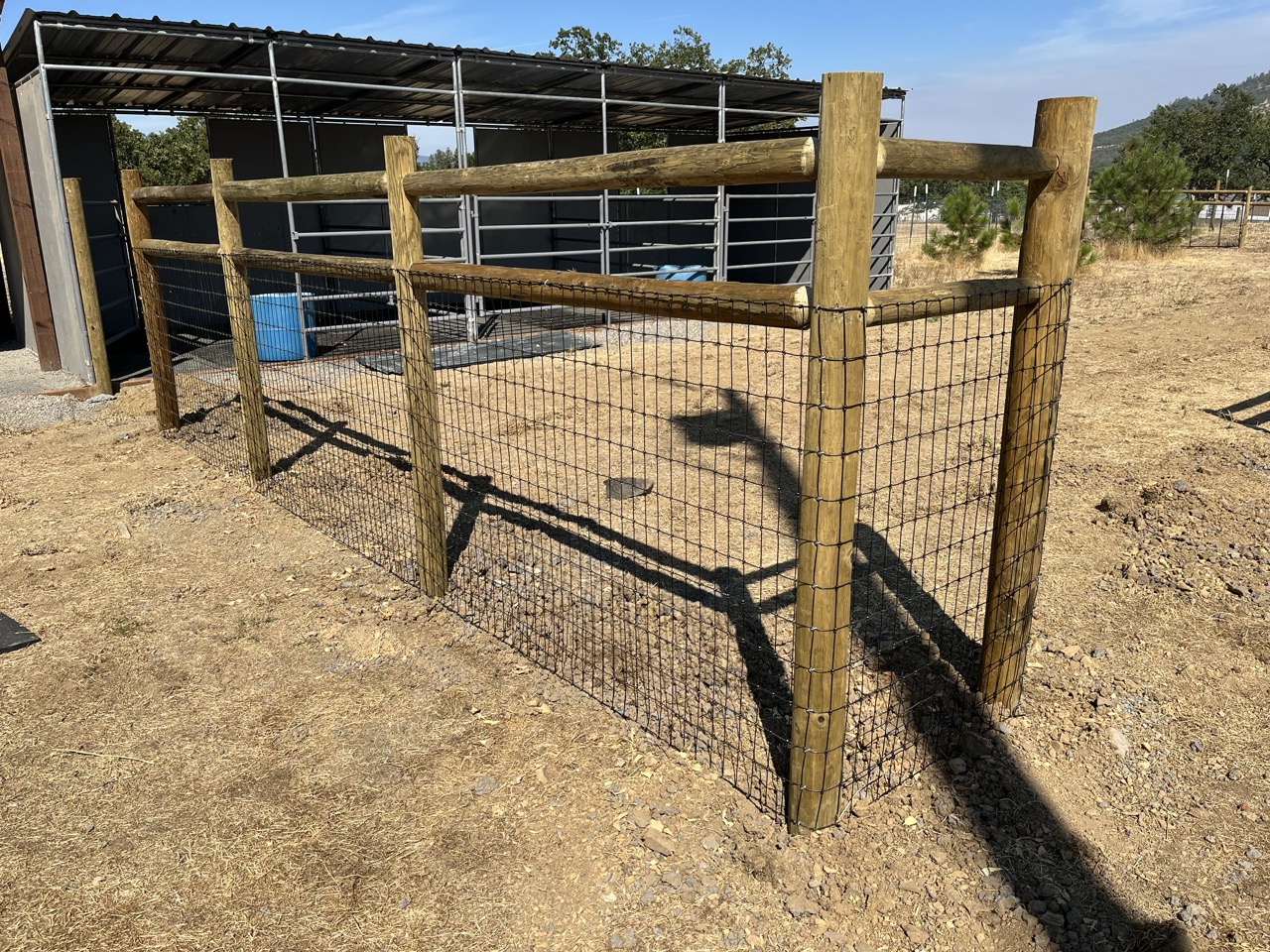
Nearly Every Failed Fence We Replace Comes Down to One of Five Things
None of these are exotic. They are the ordinary conditions of living in Central Oregon, and each one has a straightforward answer if it gets handled during the build instead of after.
Posts Are Only as Good as the Hole
Dig anywhere between Prineville and Terrebonne and you will hit something. Basalt shelf, cemented hardpan, river cobble, or a layer of rock just deep enough to be inconvenient. The temptation is obvious: stop at whatever depth the auger quits, drop the post in, and fill it. That post is now a lever with a short arm, and wind and frost will work it loose season after season.
Doing it right means the hole gets finished, not abandoned. Rock bar, rock auger, or a hand-dug bell at the bottom, whatever it takes to reach depth and get a footing wider than the hole opening so the concrete cannot lift straight out. Post spacing gets adjusted when a hole is unworkable rather than forcing a post into ground that will not hold it. It is slower, it is the part nobody sees, and it is the difference between a fence that lasts and one you call somebody about in five years.
"Devin is real easy to talk to and explains the process of building the fence really well. He followed through with the job as promised. He did an excellent job."
See our profile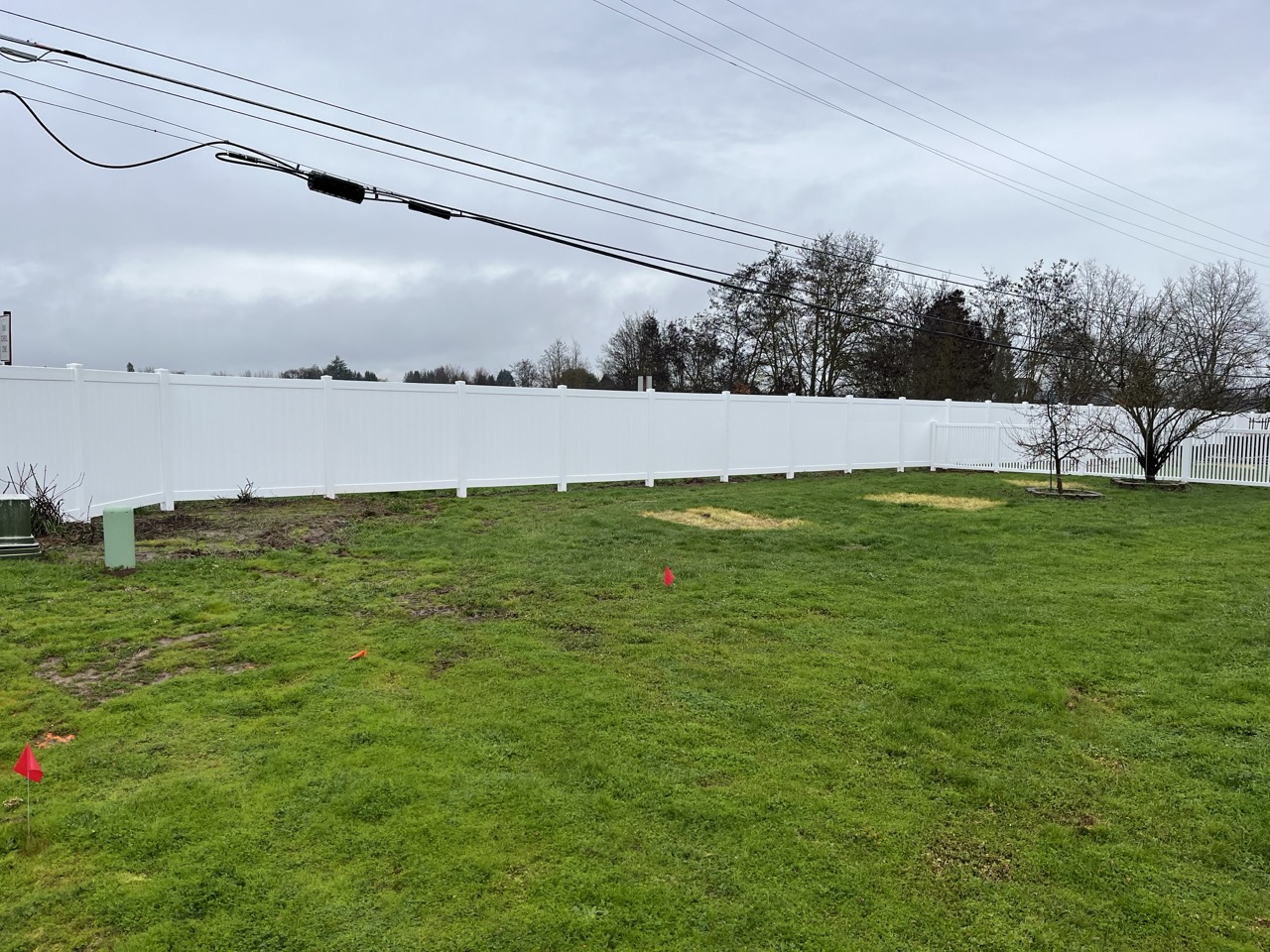
A Solid Fence Is a Sail
A six-foot solid privacy fence does not let wind through. It catches it. Every gust that crosses an open lot in Powell Butte or out toward Crooked River Ranch loads the whole panel and transfers that force straight into the posts. On a long unbroken run with wide post spacing, that load is enough to rack panels out of square and walk posts out of plumb over time.
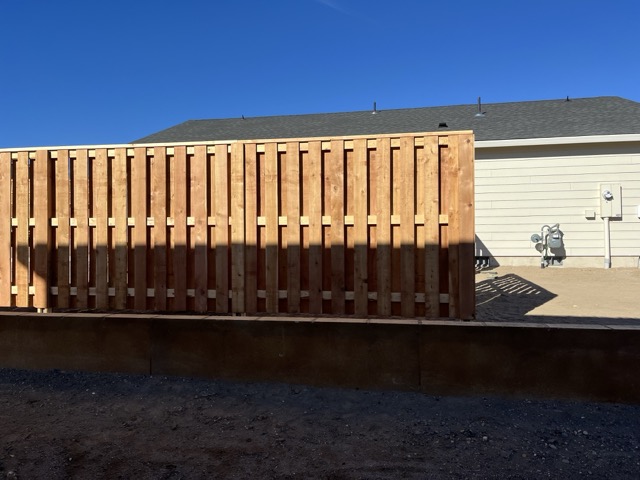
The fixes are design decisions, not upgrades. Tighter post spacing on exposed runs. Heavier posts where the wind actually comes from. A shadowbox or board-on-board layout that lets air pass through while still blocking sightlines. Lattice or a spaced top section that bleeds off pressure at the height where leverage is worst. If you want a full-privacy look on an exposed lot, our cedar fence installation gets built with those adjustments rather than sold as a standard run.
"Devin matched the existing posts and did a great job of installing a strong area for our dogs to run. I highly recommend Devin and Cascade Fencing!"
See our profile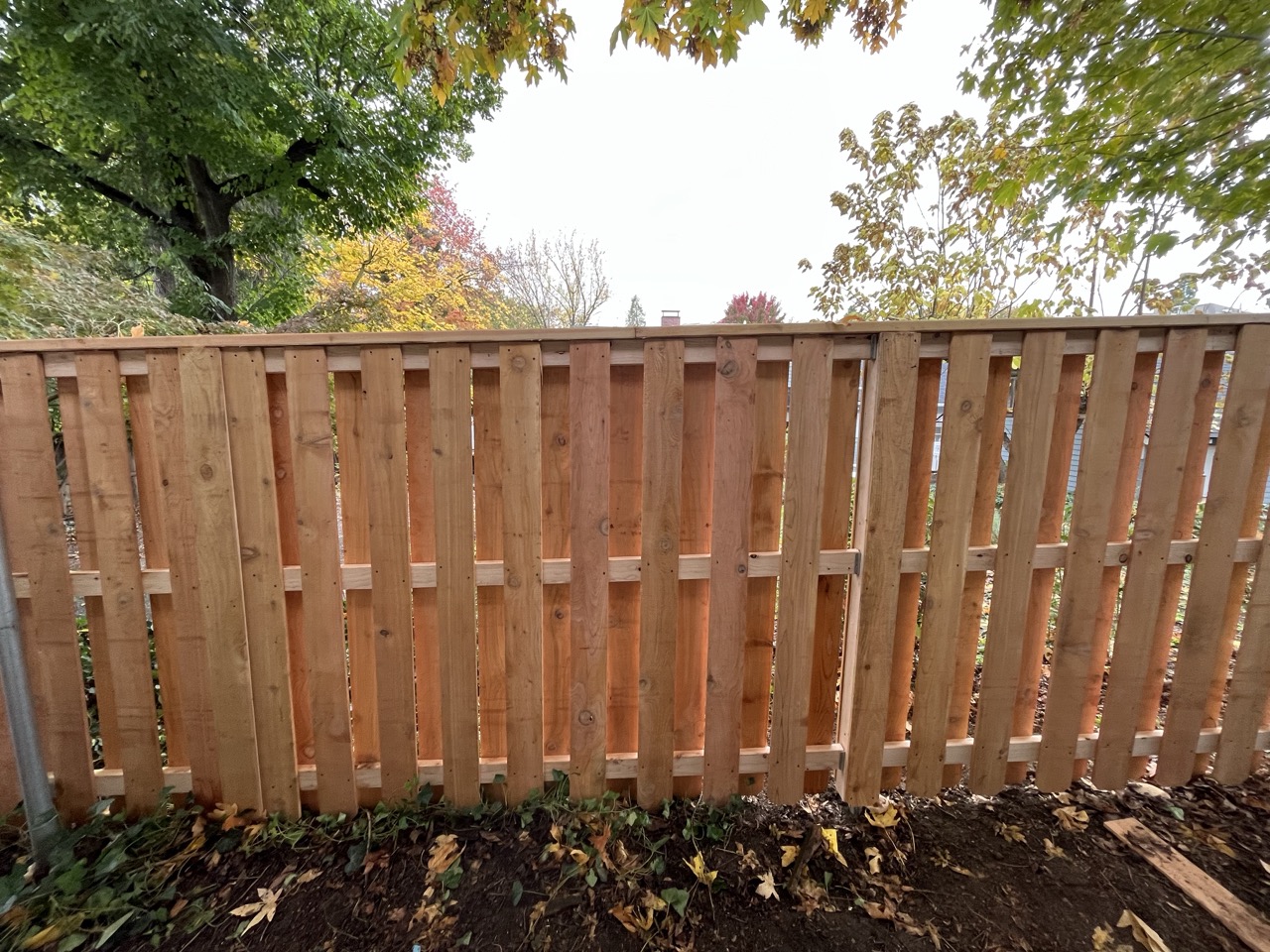
Winter Doesn't Break Fences in One Night
Central Oregon winters are not one long freeze. They are dozens of cycles, cold overnight and above freezing by afternoon, repeating from November into April. Every cycle expands the moisture in the soil and then releases it. Anything sitting in that zone gets nudged upward a fraction of an inch and never settles all the way back. Do that eighty times a winter for six winters and a shallow post has walked itself loose without anyone watching it happen.
The defense is depth and shape. Footings that reach below the frost zone are not affected by the movement happening above them. A footing that flares wider at the bottom than at the top physically cannot be lifted out by frost. Backfill that drains rather than holding water against the post reduces how much ice is there to push in the first place, and on wood posts, keeping the concrete crowned so water sheds away from the post rather than pooling around it prevents the rot that turns a heave problem into a snapped post. This is also why a fence that seemed fine in October can look wrong in March. If yours moved over the winter, our notes on seasonal fence care cover what to check before the next round.
"Devin did a great job repairing our wood fence. He was fast, fairly priced, and high quality work. He was friendly and professional throughout."
See our profileSun and Dry Air Pick the Winners
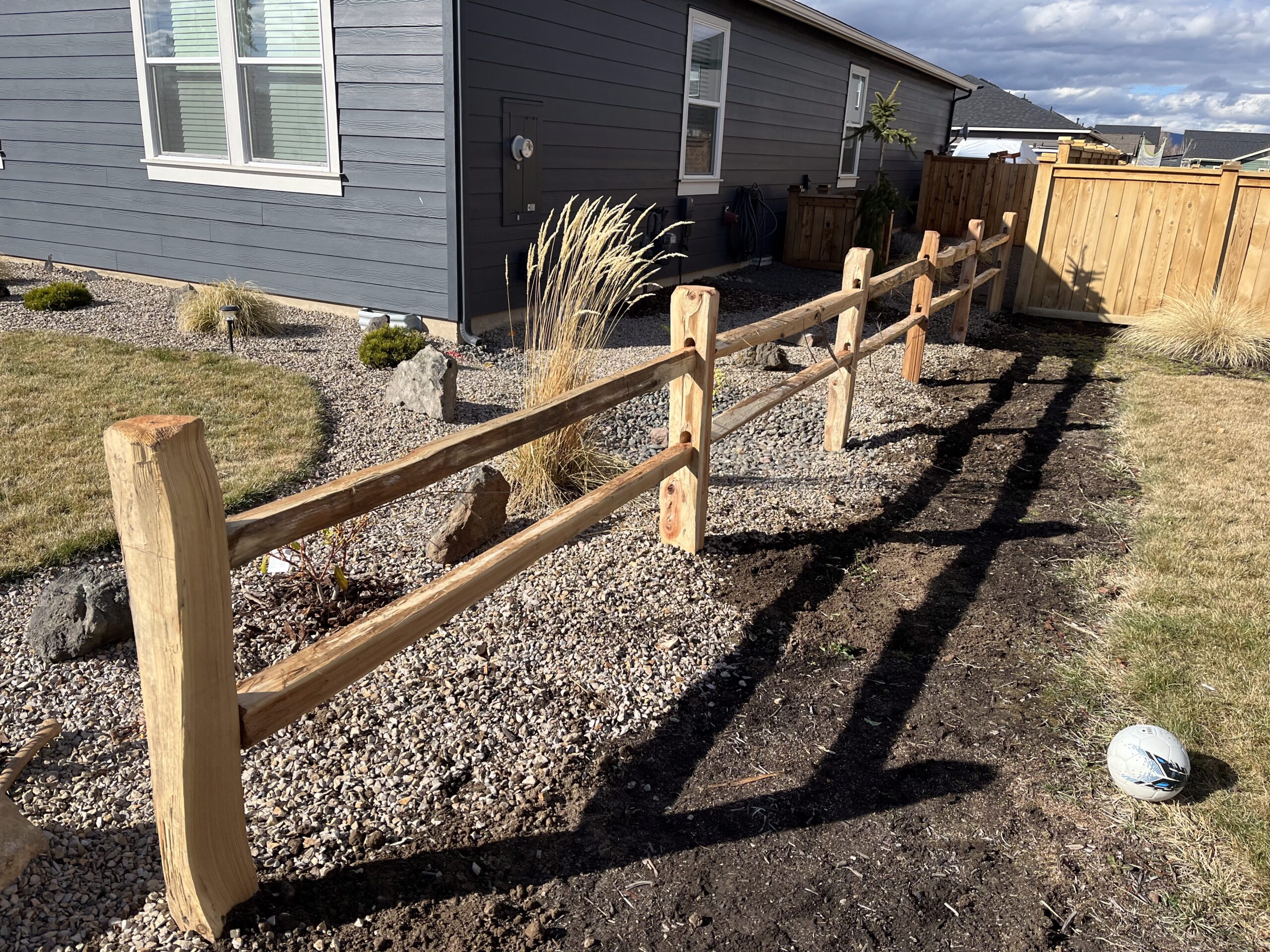
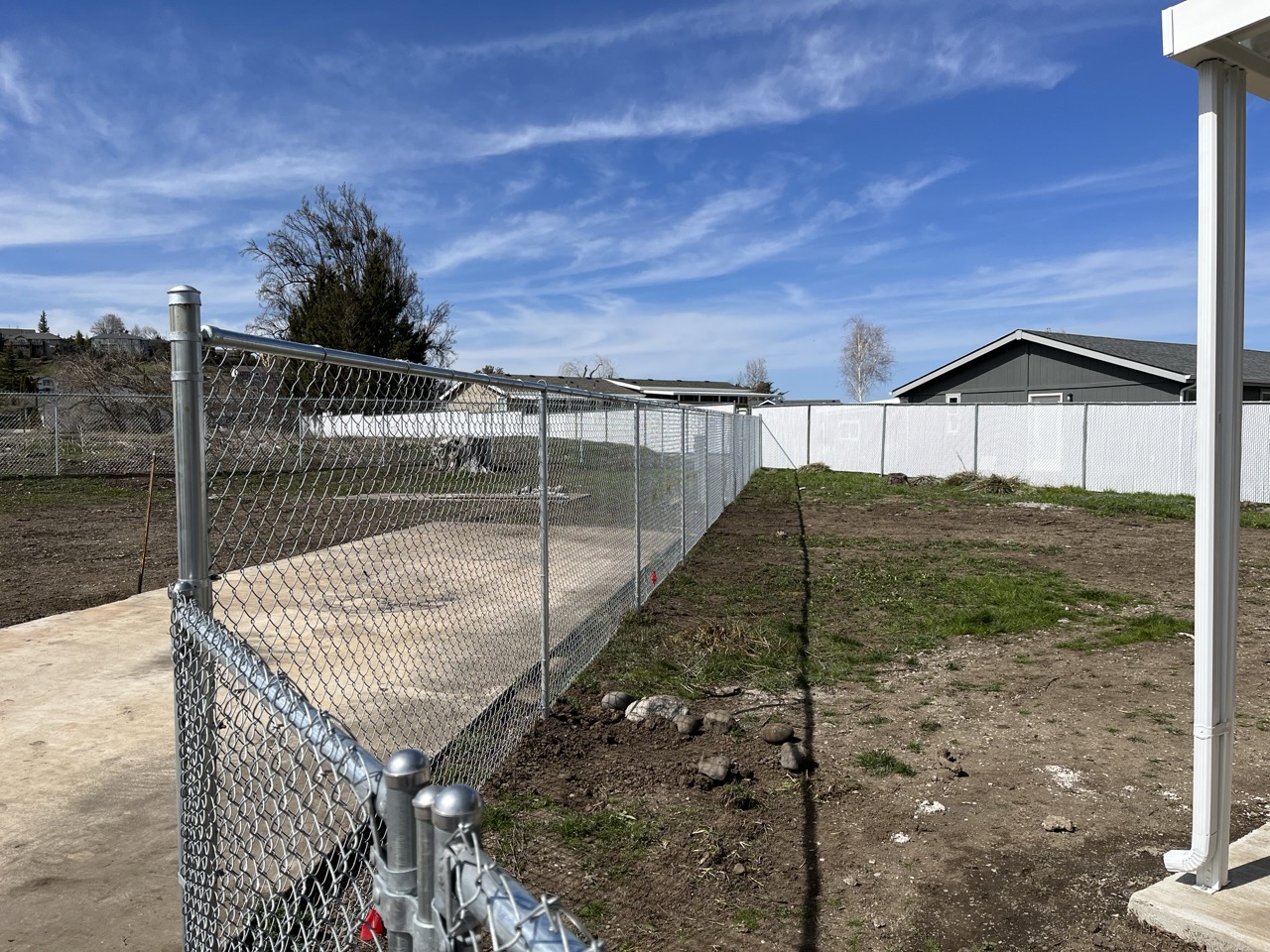
At this elevation the sun is stronger and the air is drier than most people account for. Untreated softwood checks and cups. Bargain vinyl goes chalky and brittle enough to crack when something bumps it in January. Uncoated steel rusts wherever irrigation reaches it. None of that is a reason to avoid a material. It is a reason to buy the right grade of it. Cedar holds up here because its natural oils tolerate the swing between bone dry and soaking. Quality vinyl with real UV inhibitors stays white and stays flexible in the cold. Galvanized or powder-coated chain link fencing shrugs off both sun and sprinkler overspray. The photos here are all local work, so you are seeing how these materials actually age in this climate rather than a catalog shot.
"Devin did an awesome job with the vinyl fencing. He made sure it looked just right. He let us know every step of the way what he was doing."
See our profile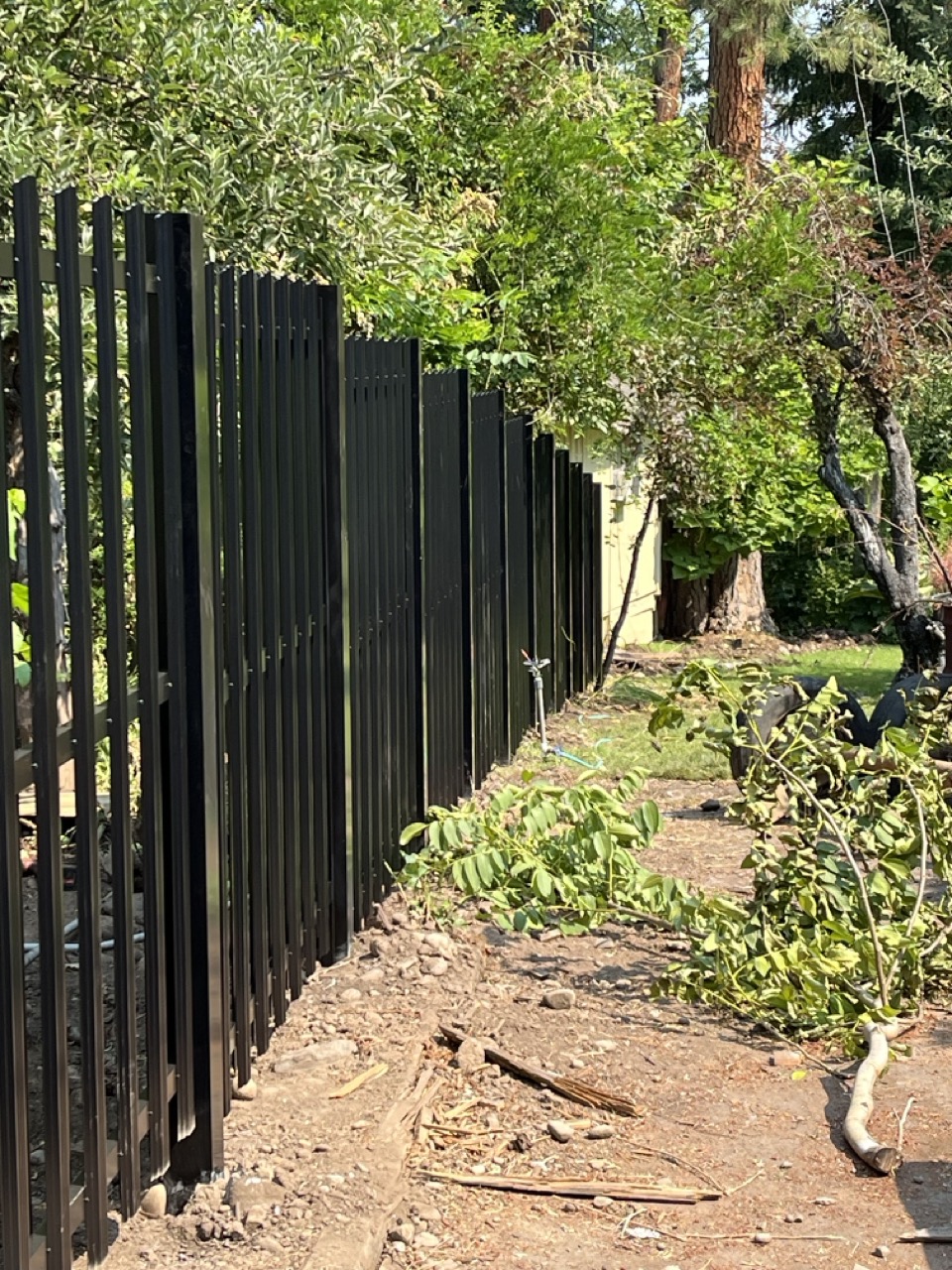
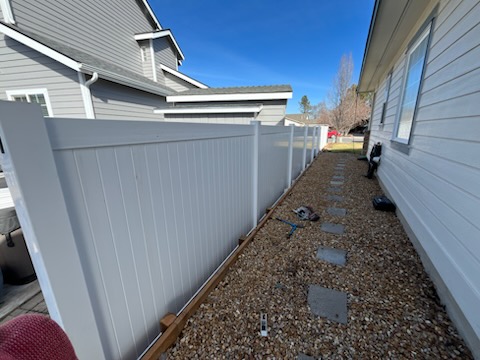
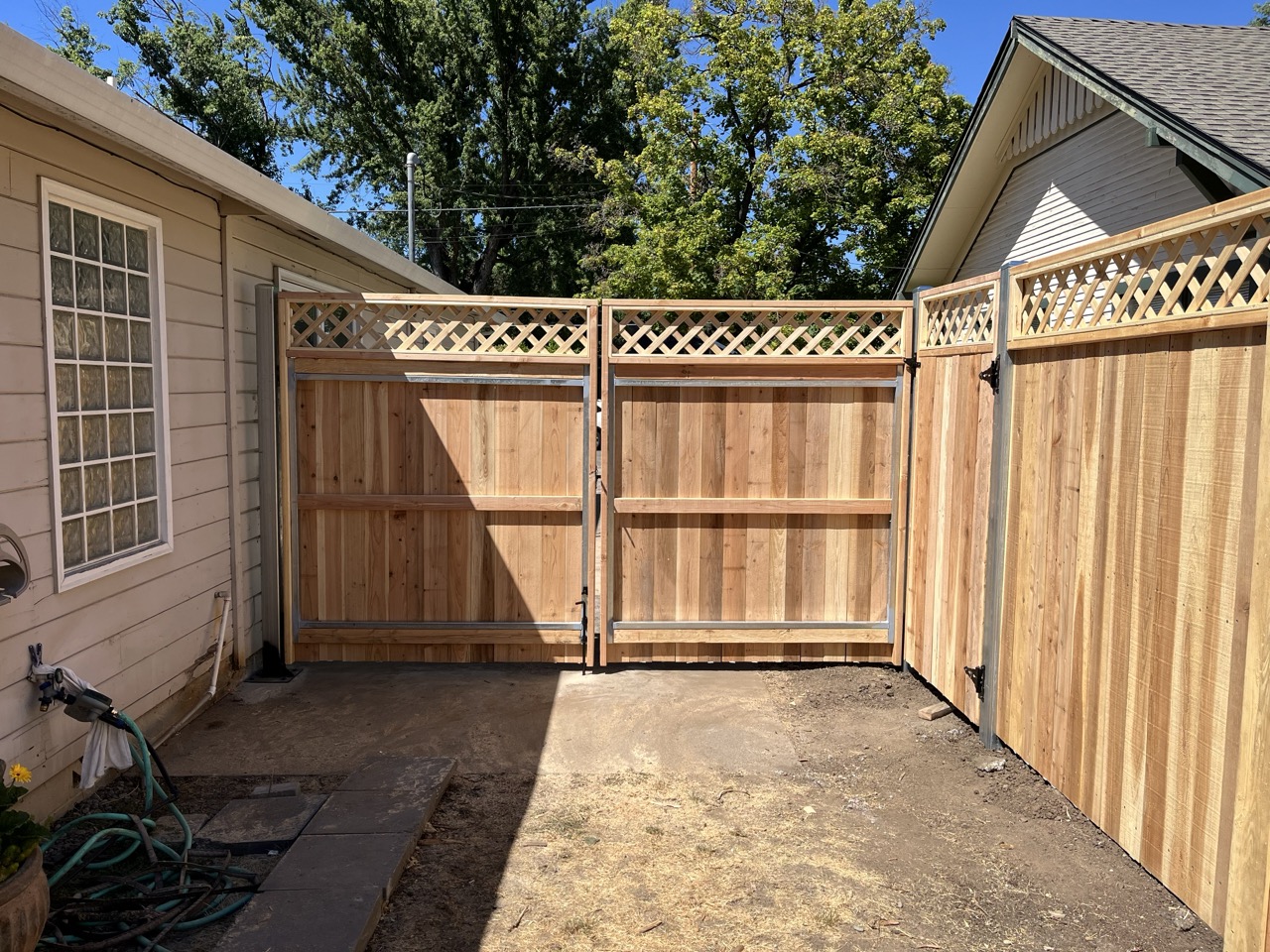
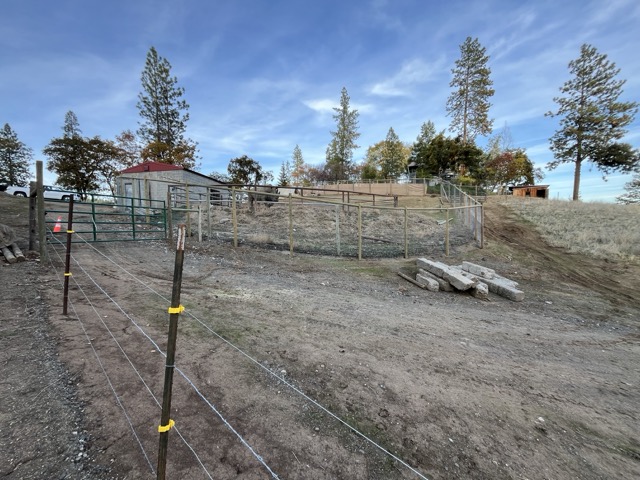
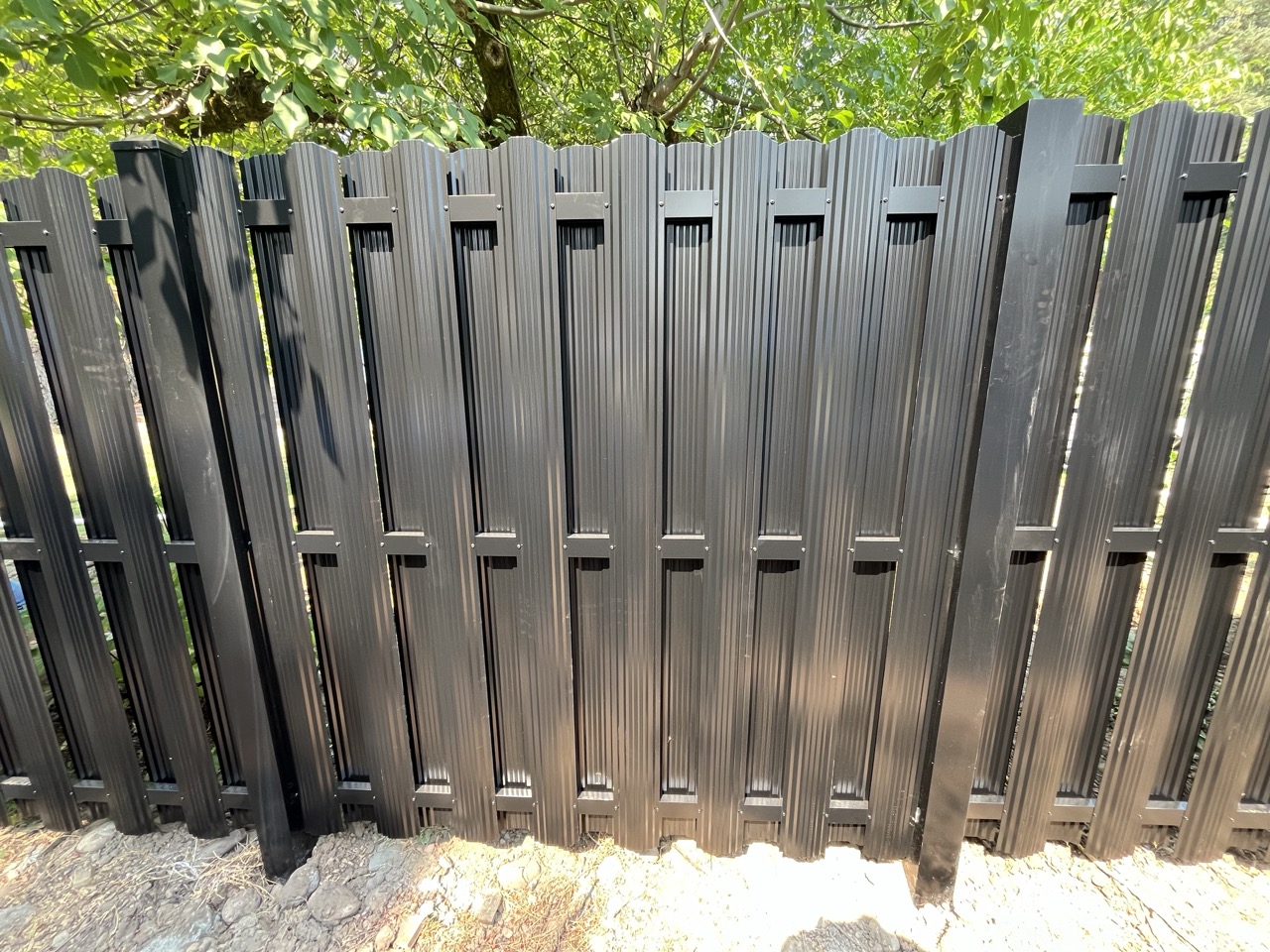
Animals Find Every Weak Point
A fence around an empty yard only has to stand up. A fence with animals on either side of it has to stand up while being leaned on, rubbed against, pushed under, and tested nightly. Horses lean. Cattle rub posts as scratching posts. Goats treat any horizontal rail as a ladder. Coyotes and deer probe the whole run looking for the one low spot or the one gap at a gate.
That changes the build. Rails go on the animal side so pressure pushes against the posts instead of pulling fasteners. Mesh gets sized to the smallest animal you are containing, not the largest. Ground contact matters more than height at the bottom of the fence, and gates get braced as their own structure because that is where nearly every failure starts. Our agricultural fencing gets specified around the animals actually on the property, and for herds that rotate pasture, mobile livestock shelters solve the shade and windbreak problem without putting up another permanent structure.
"We have four small animals and our biggest concern was to make sure there we no gaps or openings and he gave us just that. We have an attractive yet safe space for all to enjoy."
See our profile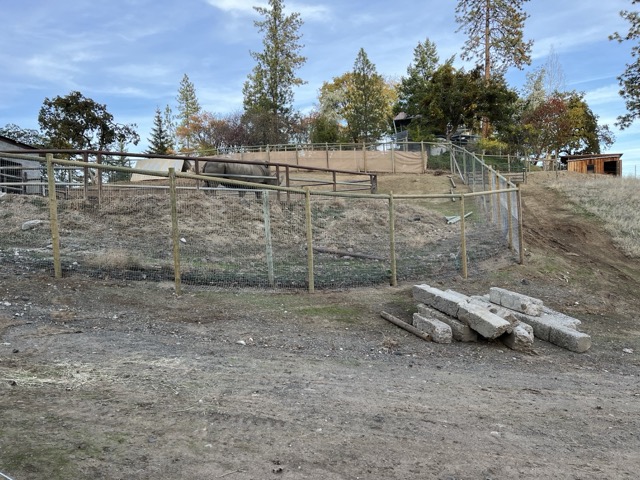
What Actually Happens on a Cascade Fencing Job
No two properties here have the same dirt, so the process starts with looking at yours instead of quoting off a map.
Walk the Line
We walk the actual fence line with you, checking grade, drainage, and where the ground turns to rock.
Itemized Estimate
You get the materials, the post spacing, and the price in writing before anything is ordered.
Locate Before We Dig
Utility locates get called in and marked, and we confirm property lines so posts land where they belong.
Set the Posts Right
Holes go to depth even when the ground fights back, with footings shaped and crowned to shed water.
Build and Hang
Rails, panels, and gates go up square, with gates braced as their own structure so they stay swinging true.
Clean Up and Walk It
Site gets cleaned, and we walk the finished fence with you before we call the job done.
What Homeowners Here Ask Us Most
Deep enough to get below the frost zone and to give the post enough buried length to resist wind, which generally means a good deal deeper than the minimum you will see quoted online. The exact number depends on fence height, exposure, and what we hit when we dig. We set that depth per property rather than using one figure everywhere, and we will tell you what we are planning before we start.
Often it can be repaired. If the pickets and rails are sound and only a few posts have moved, resetting those posts is far cheaper than a replacement. The line we watch for is whether the lean has started pulling rails out of their fasteners and racking the panels. Once that happens, repairs stop being economical. We will look at it and tell you honestly which side of that line you are on.
It happens regularly out here and it is not a crisis. Depending on what we find, we either work through it with rock tooling, shift the post enough to clear the obstruction and adjust the spacing, or change how that post is anchored. What we do not do is stop short and pretend the hole is finished. If rock changes the scope enough to change the price, you hear about it before we proceed.
All of them last if the grade is right and the posts are set properly. Cedar handles our wet-dry swings well and ages gracefully. Quality vinyl with real UV inhibitors is close to maintenance free. Galvanized chain link is the workhorse for durability per dollar. The bigger factor is usually what the fence has to do, so the honest answer starts with what you are fencing and why.
It depends on your jurisdiction, the fence height, and whether there is an HOA or a road setback involved. Requirements differ between Crook County, Deschutes County, and the cities inside them, and they change from time to time. We will tell you what we know from working in your area and point you at the right office to confirm, but the permit itself is the property owner's to verify.
We build year round. Late spring through fall is easiest on the digging, and winter installs are absolutely doable as long as the ground is workable, which in a normal Central Oregon winter it often is. The bigger scheduling factor is usually the calendar, since spring books up fast. If you know you want a fence this year, getting on the schedule early gives you more say in the timing.
Cascade Fencing did an excellent job on our new chain link fence. Owner Devin and his helper Caden were very courteous and professional. Pricing was extremely fair and I just want to say that Cascade Fencing is one of the most honest companies I've ever had the pleasure to work with. Thank you Devin!
Built for Central Oregon Properties
Agricultural Fencing
Pasture, paddock, and perimeter fencing specified around the animals actually on your property.
Learn MoreChain Link Fencing
Galvanized and black-coated chain link for yards, kennels, and commercial sites that need to hold up.
Learn MoreMobile Livestock Shelters
Custom-built portable shade and windbreak that moves with your herd through rotational grazing.
Learn MoreLocal, Honest, and On Site
Based in Prineville
We live and work here. You are not paying a Bend or Redmond crew to drive out to your property.
Owner on Every Job
Devin quotes the work and is on site while it is being built. The person you talked to is the person doing it.
Transparent Pricing
Detailed written estimates with the materials and scope spelled out. No vague lump sums, no surprise line items.
You Hear From Us
Open communication start to finish, including when something on site changes the plan.
Materials Chosen to Last
We spec for high desert conditions rather than defaulting to whatever is cheapest on the rack that week.
5-Star Rated on Google
A straight 5.0 from Central Oregon homeowners and property owners who have had us build for them.
Areas We Serve
Let's Look at Your Fence Line
Whether you are planning a new fence or trying to figure out why the current one is leaning, the first step is the same and it does not cost anything. We will come out, look at the ground, and tell you straight what it needs.
Get in Touch
Call or send us the details on your property and what you are trying to fence.
Free On-Site Estimate
We walk the line with you and put the materials, scope, and price in writing.
We Build It Right
Posts set to depth, panels square, site cleaned up, and a walkthrough before we call it done.