Fencing for Predator Control: How to Protect Your Livestock from Wildlife Threats
A Blog by Cascade Fencing
Designing Your Perfect Custom Fence
A custom fence is more than just a boundary—it’s an extension of your property’s character and functionality. Whether you’re looking for privacy, security, or curb appeal, designing the right fence requires careful consideration of materials, styles, and features. Unlike prefabricated fencing, a custom fence allows you to tailor every detail to match your unique vision and needs.
In this guide, we’ll walk through how to design the perfect custom fence, covering the best materials, popular styles, and additional features that can make your fence both practical and visually appealing.
Step One: Choosing the Right Material for Your Custom Fence
The first step in designing your perfect custom fence is selecting the right material. Your choice will impact the fence’s durability, maintenance needs, appearance, and cost. Below are the most popular fencing materials, along with their benefits and drawbacks.
Wood Fencing: Classic and Versatile
Wood fences are one of the most customizable options available, offering a natural and timeless look that fits any property.
Pros:
- Affordable and widely available
- Can be stained, painted, or left natural
- Works well for privacy, decorative, and security fences
Cons:
- Requires regular maintenance (sealing, staining, or painting)
- Susceptible to moisture damage and termites if untreated

Vinyl Fencing: Low Maintenance and Durable
Vinyl fencing is a modern alternative to wood, offering long-lasting performance with minimal upkeep.
Pros:
- Highly resistant to moisture, insects, and rot
- Doesn’t require painting or staining
- Available in various colors and styles
Cons:
- More expensive upfront than wood
- Can crack in extreme weather conditions
Best for: Homeowners looking for a stylish, low-maintenance solution for privacy or decorative fencing.
Metal Fencing: Strength and Security
Metal fences—such as wrought iron, aluminum, and steel—are ideal for properties that require durability and a high level of security.
Pros:
- Strong and long-lasting
- Provides excellent security
- Requires little maintenance
Cons:
- Can be expensive
- Some metal fences, like wrought iron, can rust without proper treatment
Best for: Security fences, ornamental designs, and upscale residential or commercial properties.
Composite Fencing: The Best of Both Worlds
Composite fencing combines wood fibers and plastic to create a fence that mimics wood while being weather-resistant and durable.
Pros:
- Doesn’t warp, rot, or fade like wood
- Environmentally friendly (often made from recycled materials)
- Low maintenance
Cons:
- Higher cost than traditional wood
- Limited customization compared to natural wood
Best for: Homeowners who want the appearance of wood with the durability of synthetic materials.
Selecting the Right Fence Style for Your Property
Once you’ve chosen your material, the next step is selecting a fence style that complements your property’s design while serving its intended purpose.
Privacy Fences: Maximum Seclusion
Privacy fences are designed to block views from neighbors and passersby.
- Popular Materials: Wood, vinyl, composite
- Best Uses: Backyards, pools, and properties near busy streets
- Customization Options: Decorative lattice tops, shadowbox designs, and horizontal panels
Picket Fences: Timeless Charm
The classic picket fence is perfect for adding a welcoming, decorative touch to your front yard.
- Popular Materials: Wood, viny
- Best Uses: Front yards, gardens, suburban homes
- Customization Options: Spaced or scalloped pickets, custom colors
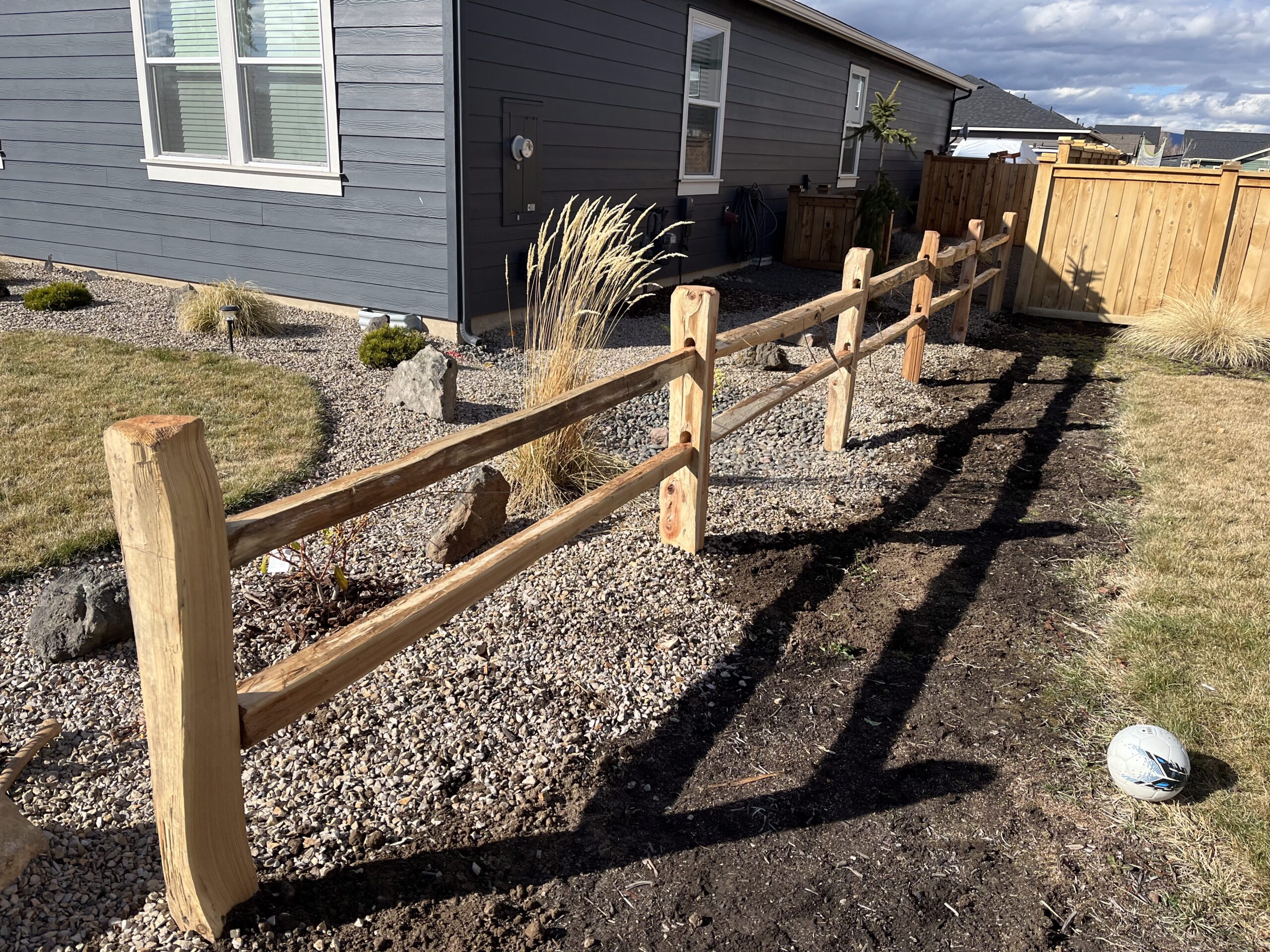
Split-Rail Fences: Rustic and Functional
Split-rail fencing provides a rustic, open feel and is commonly used in rural or ranch-style settings.
- Popular Materials: Wood, composite
- Best Uses: Farms, large properties, and decorative purposes
- Customization Options: Additional wire mesh for added security, multiple rail heights
Decorative and Ornamental Fences
For those looking to enhance their home’s curb appeal, decorative fencing offers intricate designs and elegant finishes.
- Popular Materials: Wrought iron, aluminum
- Best Uses: High-end residential properties, gardens, front yards
- Customization Options: Scrollwork, custom designs, powder-coated finishes
Security Fencing: Strong and Impenetrable
Security fencing is designed to protect against intruders while maintaining an attractive look.
- Popular Materials: Steel, chain link, wrought iron
- Best Uses: Businesses, industrial properties, homes in high-crime areas
- Customization Options: Automated gates, security spikes, reinforced panels
Adding Features to Enhance Your Custom Fence
Beyond material and style, custom features can enhance the functionality and appearance of your fence.
Custom Gates for Access and Security
A well-designed gate adds convenience and protection to your fence.
- Automated Gates: Perfect for driveways and large properties
- Decorative Garden Gates: Enhance front yards and garden entrances
- Double-Wide Gates: Ideal for vehicle or farm equipment access
Lighting for Visibility and Aesthetics
Adding solar or wired lighting improves both security and curb appeal.
- Post Cap Lights: Subtle and elegant, adding nighttime visibility
- Motion Sensor Lights: Great for security fencing
- String or Lantern Lights: Enhances decorative fences
Privacy and Wind Screens
For properties in windy areas or neighborhoods with close neighbors, privacy screens can make a huge difference.
- Lattice Panels: A decorative way to block views
- Fabric Screens: Used for chain link fencing to add privacy
- Hedges or Climbing Plants: A natural way to enhance a fence
Custom Engraving and Decorative Elements
A truly unique fence can feature custom engravings, metal cutouts, or personalized details.
- Custom Monograms or Logos
- Metal Scrollwork or Cutouts
- Hand-Painted Details or Stains
Professional Installation vs. DIY – Which is Right for You?
Once you’ve designed your custom fence, you’ll need to decide between professional installation or a DIY approach.
Professional Installation: The Hassle-Free Option
- Experts ensure correct measurements and installation
- Saves time and prevents costly mistakes
- Warranties often included for materials and labor
DIY Installation: Budget-Friendly but Time-Consuming
- Lower upfront costs
- Allows for full creative control
- Requires knowledge of fence installation techniques
For complex custom fences, professional installation is recommended to ensure long-term durability and quality craftsmanship.
The Importance of Custom Fencing for Businesses and Commercial Properties
While many homeowners invest in custom fencing for privacy and curb appeal, businesses and commercial properties can also benefit greatly from customized fencing solutions. Whether you need security, controlled access, or branding, a custom fence can serve multiple functions while enhancing the overall appearance of your business.
Security and Access Control
For commercial properties, security is often a top priority. A custom fence provides a strong physical barrier that helps protect assets, employees, and customers.
- High-Security Fences – Businesses in high-risk areas benefit from steel fencing with security spikes or anti-climb mesh to deter trespassers.
- Gated Entry Systems – Automatic gates with keypads, card readers, or remote access allow for controlled entry and exit.
- Chain Link with Barbed Wire – Industrial facilities often use reinforced chain link fencing with barbed wire or razor wire for added protection.
Custom Fencing as a Branding Element
Fencing isn’t just about security—it can also be part of your business’s branding and professional image. Custom fences with engraved logos, decorative ironwork, or unique colors help businesses stand out while reinforcing their brand identity.
- Metal Cutouts and Engraving – Perfect for creating custom signage integrated into the fence.
- Corporate Colors and Finishes – Powder-coated metal or painted wood fences can be tailored to match branding colors.
- Elegant Entryways – Custom archways and gates create a sophisticated, inviting look for office buildings, restaurants, or retail stores.
Privacy and Aesthetics for Commercial Spaces
Some businesses require fencing that provides privacy for employees and customers. A well-designed custom fence can create secluded outdoor areas while maintaining an attractive look.
- Restaurants and Cafés – Outdoor seating areas can be enclosed with custom wooden fences or decorative metal panels for a stylish and private space.
- Warehouses and Storage Yards – Privacy fences keep valuable inventory secure while blocking unsightly views from public roads.
- Apartment Complexes – Custom fencing with gated entryways adds exclusivity and security for residents.
A well-designed custom fence can enhance safety, improve branding, and create a professional, polished look for any commercial property.
How to Maintain Your Custom Fence for Long-Term Durability
Once your custom fence is installed, regular maintenance is key to ensuring its longevity and appearance. Different materials require different care routines, so it’s essential to follow the proper maintenance steps for your specific fence type.
Wood Fence Maintenance: Preventing Rot and Decay
Wood fences, while beautiful and customizable, require regular upkeep to prevent issues like moisture damage, warping, and insect infestation.
- Apply a Sealant or Stain – Protects against UV damage, moisture, and pests.
- Check for Rot – Inspect posts and panels for signs of soft spots and replace damaged sections.
- Keep the Fence Clean – Remove dirt, mold, and mildew using a mild detergent and a soft brush.
Vinyl Fence Maintenance: Keeping It Looking Like New
Vinyl fencing is low maintenance, but it still requires occasional care to prevent staining and fading.
- Wash with Soap and Water – A simple rinse removes dirt and grime buildup.
- Inspect for Cracks or Warping – Vinyl expands and contracts in extreme temperatures, so check for structural changes.
- Avoid Heavy Impact – While durable, vinyl fences can crack if struck by large objects.
Metal Fence Maintenance: Preventing Rust and Corrosion
Metal fences—whether wrought iron, aluminum, or steel—are known for their durability but require protection from rust and weather exposure.
- Apply a Rust-Resistant Coating – Prevents corrosion, especially in humid or coastal environments.
- Touch Up Paint Chips – Small scratches can lead to rust, so repaint exposed metal when necessary.
- Keep Fencing Free of Debris – Leaves and dirt can trap moisture against metal surfaces, accelerating rust.
Chain Link Fence Maintenance: Strengthening Weak Points
Chain link fencing is one of the most durable and low-maintenance options, but it can become vulnerable to sagging or rust over time.
- Check for Loose Tension – If the fence is sagging, tighten the mesh or replace worn-out tension wires.
- Spray with Rust Preventative – Protects metal coatings from weather damage.
- Inspect Posts for Stability – Ensure posts remain firmly anchored to prevent leaning sections.
By performing seasonal maintenance, your custom fence will remain strong, attractive, and functional for years to come.
Designing the Custom Fence That’s Right for You
A custom fence isn’t just a functional structure—it’s an investment in your property. By carefully selecting materials, styles, and features, you can create a fence that enhances privacy, security, and curb appeal.
At Cascade Fencing, we specialize in custom fencing in Prineville, OR, offering expert design and installation services. Whether you need a decorative fence for your front yard or a high-security solution for your business, our team can bring your vision to life.
👉 Contact us today to start designing your perfect custom fence!